In our day-to-day life, we come across various AI systems like Alexa, Siri, fitness apps- all that are built under the foundation of how humans function in the environment. These interactive learnings are embedded in machines through machine learning and deep learning techniques. These techniques use volumes of historical data to help an AI system learn, predict and prescribe solutions.
A good example is IBM Watson – launched, as a question-answering machine, it is now able to provide virtual assistant support at a bank’s service desk and assess insurance claims. Even more interesting, it has transformed the fan experience at the 2019 US Open. During US open Watson provided a chat interface talking to fans in natural language providing live scores and results, weather alerts, match schedules and more. It didn’t stop there, Watson used its visual recognition capability to compile a match highlights in real time capturing the most exciting moments of the tournament. In short, “A snippet on the highlights of the most interesting, heart-throbbing and thundering occasions during the match” – the surreal part was that the video created had most of the fans entertained for that duration. What was done manually before is now done by a robot and attained the same or even better appreciation from the audience.
It was all about data and data and more data that were used to develop machines. But, today things have progressed with introduction of evolutionary AI. This uses biological mechanism of problem solving. It creates various solutions, ranks them, the best ones are combined and used to create a new generation of solutions. This continues until the best solution is found for the problem. Cognizant’s very own Leaf framework leverages evolutionary AI.
Interesting isn’t it!
Human-like- what am I emphasizing here? Human-like is described as the abilities that provide the robot with cognition, intuition and emotions. Have you thought what each of these mean for human beings? Let us understand them.
Cognition – It is our ability to think, learn and develop.
Intuition – It is the decision and conclusion we make based on our gut-feel.
Emotions – It is the varied feeling we go through in different situations such as happiness, fear..etc
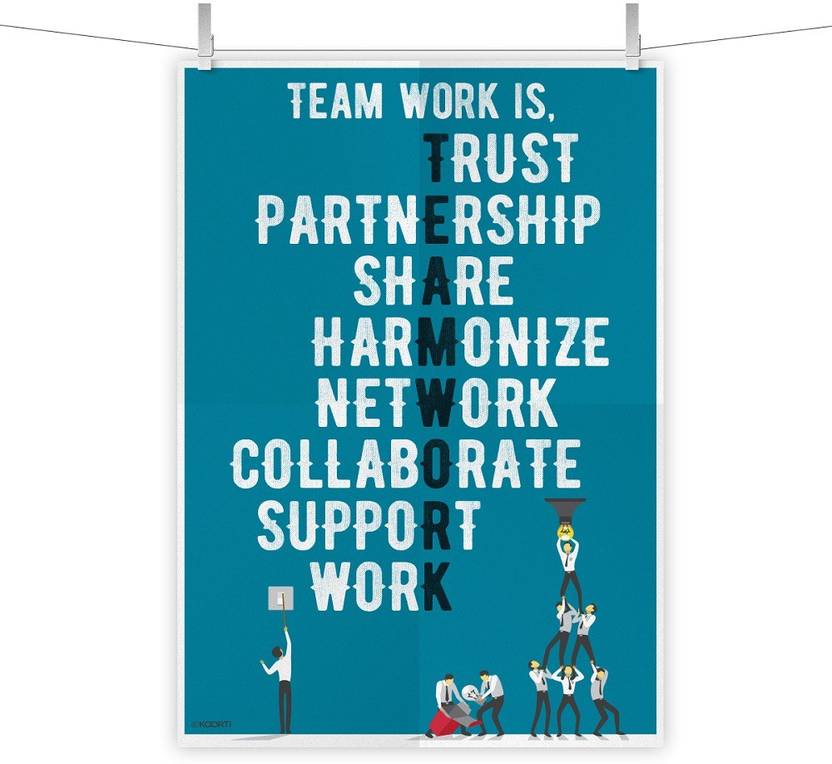
Most of every Team formed in this world do have the goal of succeeding in their area of interest. Who doesn’t want to see their team successful?!
When we set up a new team we select team members based on their Capability, experience, expertise in specific technology or process. Sometimes is easy to interview/evaluate a team member for their experience, capability, and expertise in 1 or 2-hour meeting. I am not arguing that capability is not important, but have learned in the past many years, for a team to be successful, getting Culture and Commitment right are far more important than just capability.
It takes time for setting up Culture in the new team, which is primarily a leadershipresponsibility to make sure they help the team.
When the team member believes that they are working on a good team, start trusting other team members and leads they tend to start giving Commitment to the work their putting in.
I found it is not easy to set up the team in a short period of time and expect to align 3-Cs (Culture, Commitment, and Capability).
I am sure all of you would have faced this challenge in your projects. Please share your ideas and feedback on how to address these 3-Cs in short period.
When our #Mars2020 rover lands on the Red Planet in 2021, it will carry a microchip etched with the names of millions of people from planet Earth. Is yours on it?
Let’s get started. First, the simple stuff: as of 2019-09-24, Bill Gates (@BillGates) has 48096216 Twitter followers, is following 199 people, has tweeted 3164 times, has liked 119 tweets, has uploaded 1216 photos and videos and has been on Twitter since June 2009.
Going from the top of the page to the bottom, their latest tweet, at the time of writing, has 285 replies, 780 retweets and 4,647 likes, their second latest tweet has 446 replies, 728 reweets and 6,648 likes, their third latest tweet has 405 replies, 4,577 retweets and 13,068 likes, their fourth latest tweet has 725 replies, 1,393 retweets and 9,196 likes and their fifth latest tweet has 287 replies, 755 retweets and 3,906 likes. (We could keep going, but we think you get the idea… )
Going through Bill Gates’s last couple-dozen tweets (and retweets), the one we consider the most popular, having let to a very respectable 839 direct replies at the time of writing, is this:
That only had 181 direct replies, 524 retweets and 2838 likes.
THE VERDICT:
We did a lot of of digging into Bill Gates’s Twitter activity, looking through what people keep saying in response to them, their likes/retweet numbers compared to before, the amount of positive/negative responses and so on. We won’t bore you with the details, so our conclusion is this: we believe the online sentiment for Bill Gates on Twitter right now is good.
That’s it for now. Thanks for coming, and write a comment if you agree or disagree with me. However, we won’t publish anything overly rude.






























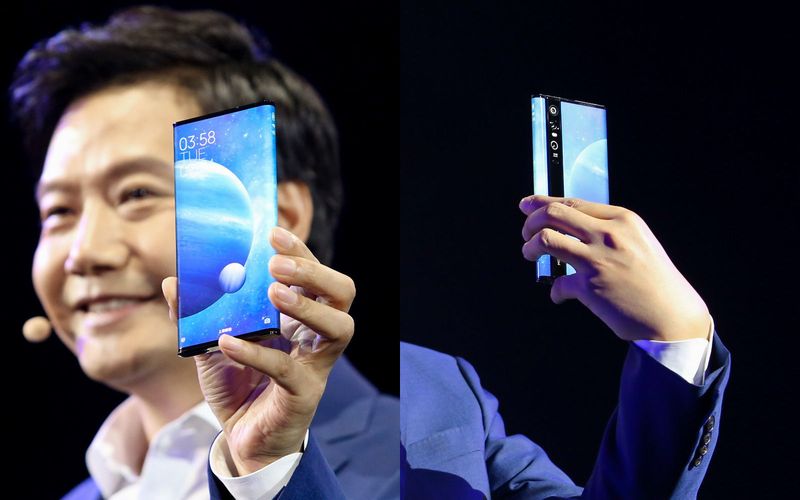
/cdn.vox-cdn.com/uploads/chorus_asset/file/19227760/charging.0.gif)
/cdn.vox-cdn.com/uploads/chorus_asset/file/19227761/notifications.0.gif)
/cdn.vox-cdn.com/uploads/chorus_asset/file/19227762/flip.0.gif)


 Welcome to My Gallery - Soorya.