




https://www.iconfinder.com/icons/1298738/facebook_icon


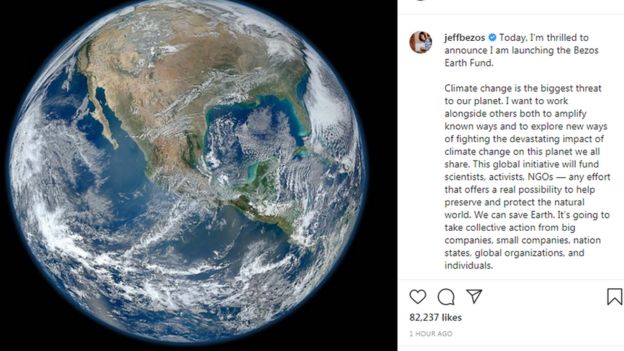
Mr Bezos’s full Instagram post read: “Today, I’m thrilled to announce I am launching the Bezos Earth Fund.
”Climate change is the biggest threat to our planet. I want to work alongside others both to amplify known ways and to explore new ways of fighting the devastating impact of climate change on this planet we all share. This global initiative will fund scientists, activists, NGOs – any effort that offers a real possibility to help preserve and protect the natural world.
“We can save Earth. It’s going to take collective action from big companies, small companies, nation states, global organisations, and individuals.
”I’m committing $10bn to start and will begin issuing grants this summer. Earth is the one thing we all have in common – let’s protect it, together.”
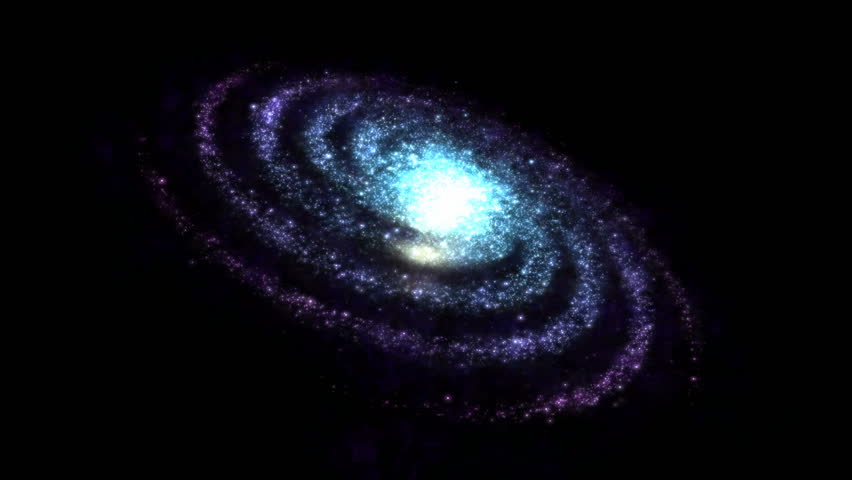

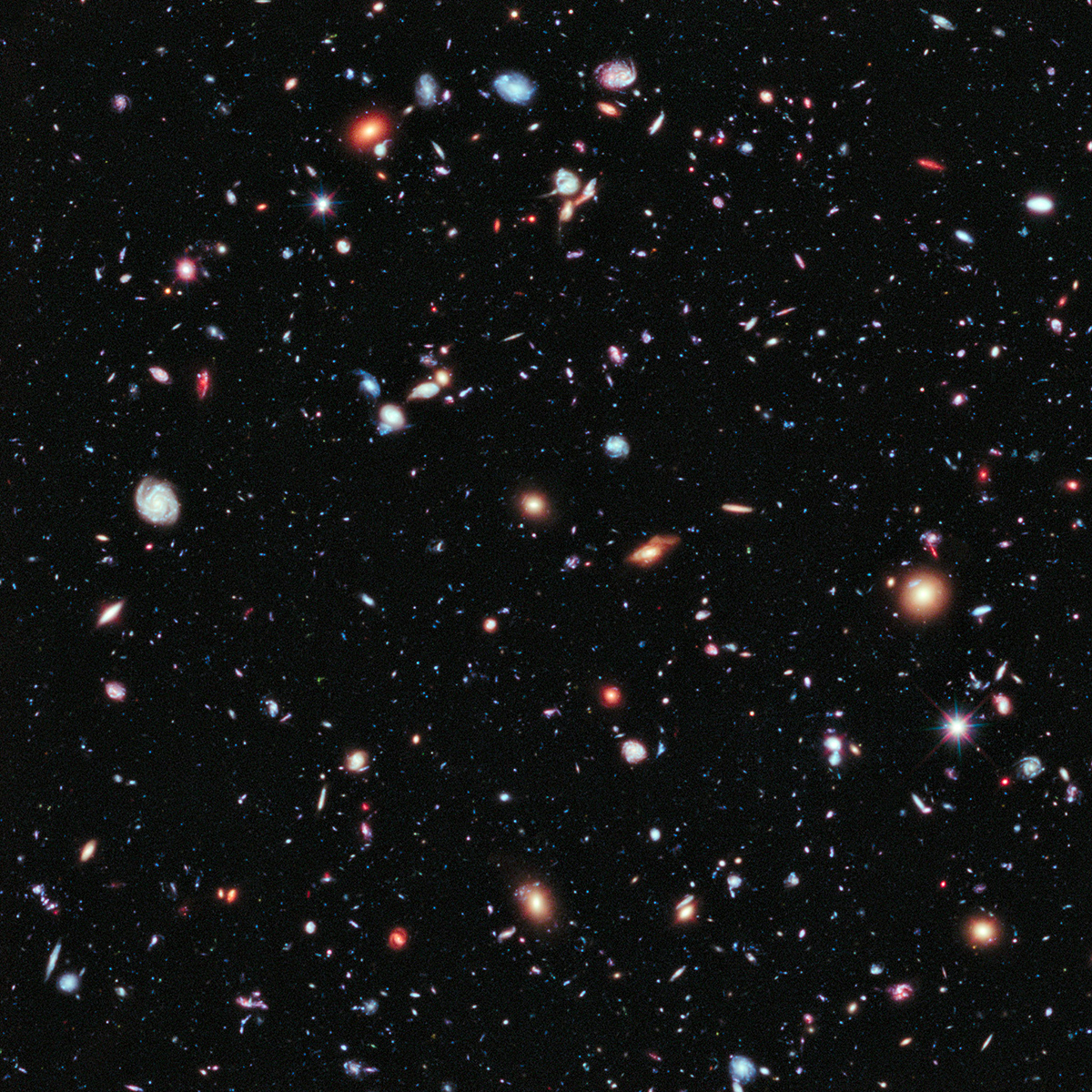
The Milky Way galaxy is just one of billion of galaxies in the universe!!!
The universe is a vast expanse of space which contains all of everything in existence. The universe contains all of the galaxies, stars, and planets. The exact size of the universe is unknown. Scientists believe the universe is still expanding outward.
Hubble Goes to the eXtreme to Assemble Farthest-Ever View of the Universe
Aurora borealis or Northern Lights and Aurora australis or Southern Lights

An aurora (plural: auroras or aurorae), sometimes referred to as polar lights, northern lights (aurora borealis), or southern lights (aurora australis), is a natural light display in the Earth’s sky, predominantly seen in the high-latitude regions (around the Arctic and Antarctic).


https://solarsystem.nasa.gov/planets/earth/overview/
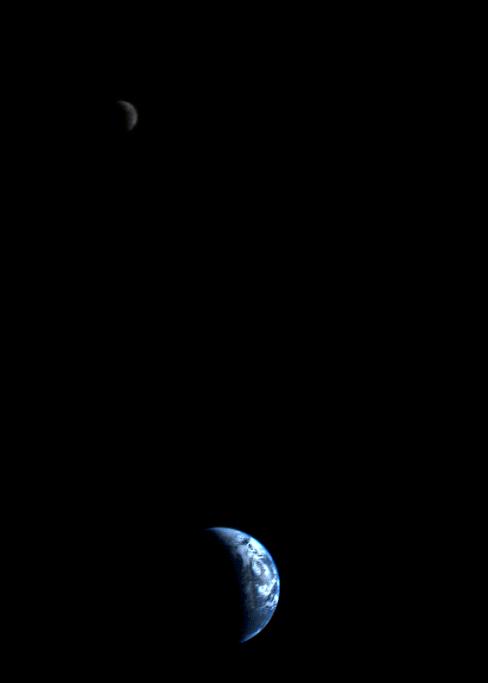
https://photojournal.jpl.nasa.gov/catalog/PIA01967
Our home planet is the third planet from the Sun, and the only place we know of so far that’s inhabited by living things.
While Earth is only the fifth largest planet in the solar system, it is the only world in our solar system with liquid water on the surface. Just slightly larger than nearby Venus, Earth is the biggest of the four planets closest to the Sun, all of which are made of rock and metal.
The name Earth is at least 1,000 years old. All of the planets, except for Earth, were named after Greek and Roman gods and goddesses. However, the name Earth is a Germanic word, which simply means “the ground.”
Earth is a rocky planet with a solid and dynamic surface of mountains, canyons, plains and more. Most of our planet is covered in water.
Our home planet Earth is a rocky, terrestrial planet. It has a solid and active surface with mountains, valleys, canyons, plains and so much more. Earth is special because it is an ocean planet. Water covers 70 percent of Earth’s surface.
Earth’s atmosphere is made mostly of nitrogen and has plenty of oxygen for us to breathe. The atmosphere also protects us from incoming meteoroids, most of which break up before they can hit the surface.
Near the surface, Earth has an atmosphere that consists of 78 percent nitrogen, 21 percent oxygen, and 1 percent other gases such as argon, carbon dioxide and neon. The atmosphere affects Earth’s long-term climate and short-term local weather and shields us from much of the harmful radiation coming from the Sun. It also protects us from meteoroids, most of which burn up in the atmosphere, seen as meteors in the night sky, before they can strike the surface as meteorites.
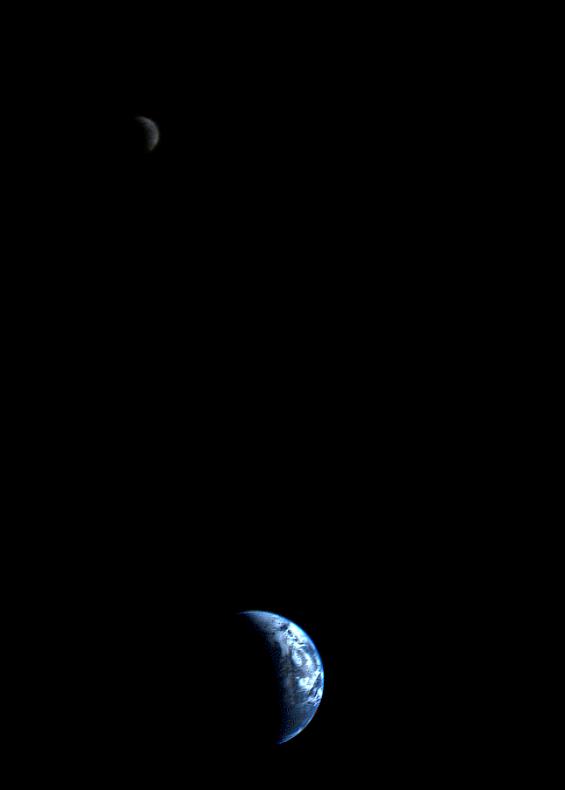
Earth is the only planet that has a single moon. Our Moon is the brightest and most familiar object in the night sky. In many ways, the Moon is responsible for making Earth such a great home. It stabilizes our planet’s wobble, which has made the climate less variable over thousands of years.
Earth sometimes temporarily hosts orbiting asteroids or large rocks. They are typically trapped by Earth’s gravity for a a few months or years before returning to an orbit around the Sun. Some asteroids will be in a long “dance” with Earth as both orbit the Sun.
Some moons are bits of rock that were captured by a planet’s gravity, but our Moon is likely the result of a collision billions of years ago. When Earth was a young planet, a large chunk of rock smashed into it, displacing a portion of Earth’s interior. The resulting chunks clumped together and formed our Moon. With a radius of 1,080 miles (1,738 kilometers), the Moon is the fifth largest moon in our solar system (after Ganymede, Titan, Callisto and Io).
The Moon is farther away from Earth than most people realize. The Moon is an average of 238,855 miles (384,400 kilometers) away. That means 30 Earth-sized planets could fit in between Earth and the Moon.
Earth has a very hospitable temperature and mix of chemicals that have made life possible here. Most notably, Earth is unique in that most of our planet is covered in water, since the temperature allows liquid water to exist for extended periods of time. Earth’s vast oceans provided a convenient place for life to begin about 3.8 billion years ago.
Some of the features of our planet that make it great for sustaining life are changing due to the ongoing effects of climate change. To find out more visit our sister website, climate.nasa.gov.
Earth is the perfect place for life as we know it.
Our atmosphere protects us from incoming meteoroids, most of which break up in our atmosphere before they can strike the surface.
Earth has one moon.
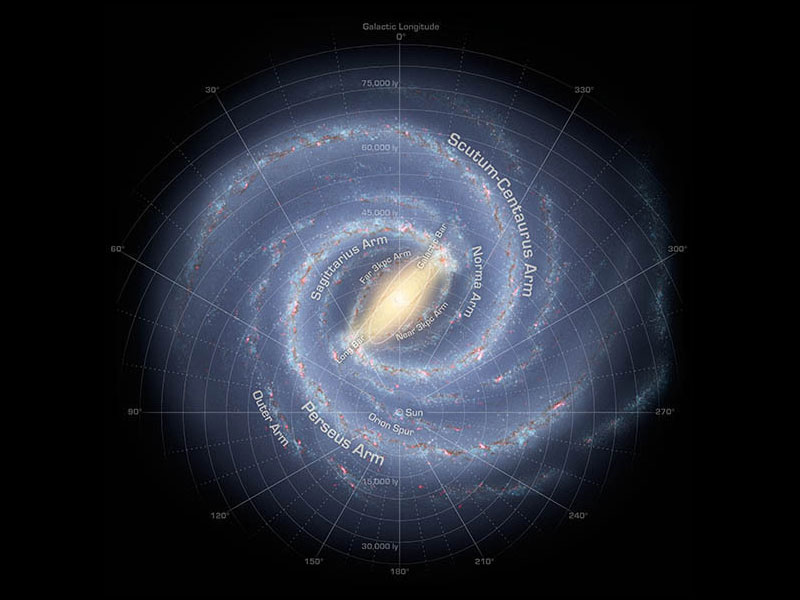
Our planetary system is located in an outer spiral arm of the Milky Way galaxy.

Our solar system consists of our star, the Sun, and everything bound to it by gravity — the planets Mercury, Venus, Earth, Mars, Jupiter, Saturn, Uranus and Neptune, dwarf planets such as Pluto, dozens of moons and millions of asteroids, comets and meteoroids. Beyond our own solar system, we have discovered thousands of planetary systems orbiting other stars in the Milky Way.
Our solar system is made up of a star, eight planets and countless smaller bodies such as dwarf planets, asteroids and comets.
Our solar system orbits the center of the Milky Way Galaxy at about 515,000 mph (828,000 kph). We’re in one of the galaxy’s four spiral arms.
Our solar system is a region of space. It has no atmosphere. But it contains many worlds—including Earth—with many kinds of atmospheres.
The planets of our solar system—and even some asteroids—hold more than 150 moons in their orbits.
The four giant planets—and at least one asteroid—have rings. None are as spectacular as Saturn’s gorgeous rings.
More than 300 robotic spacecraft have explored destinations beyond Earth orbit, including 24 astronauts who orbited the moon.
Our solar system is the only one known to support life. So far, we only know of life on Earth, but we’re looking for more everywhere we can.


 Welcome to My Gallery - Soorya.