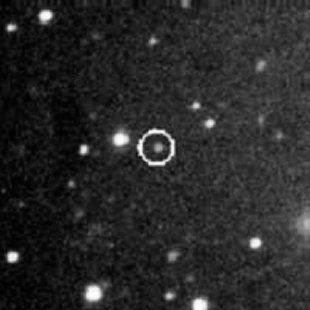
A look on 218 PLANET MOONS

Know all 218 known moons of all the planets in our solar system? Well here they are! Every so often new moons are discovered for Saturn and the outer dwarf planets. 

☿ Mercury Moons = 0

Mercury is too close to the Sun to hold on to a moon.


♀ Venus Moons = 0

Venus may have had a moon in the distant past, which collided with another object and then impacted Venus.


♁ Earth Moons = 1

Earth has several quasi-satellites – asteroid 2020 HO3 is the closest with the most stable orbit.Luna
(-12.9m)

See the source image
Moon of Earth

♂ Mars Moons = 2

Both moons of Mars may be captured asteroids, and can be viewed in small (4-inch) telescopes.

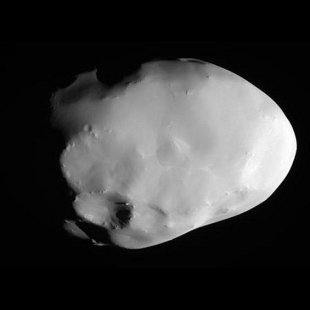
Deimos

Phobos

See the source image


♃ Jupiter Moons = 79

Crazy Moons
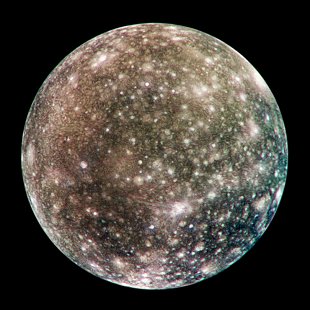
Callisto
Himalia
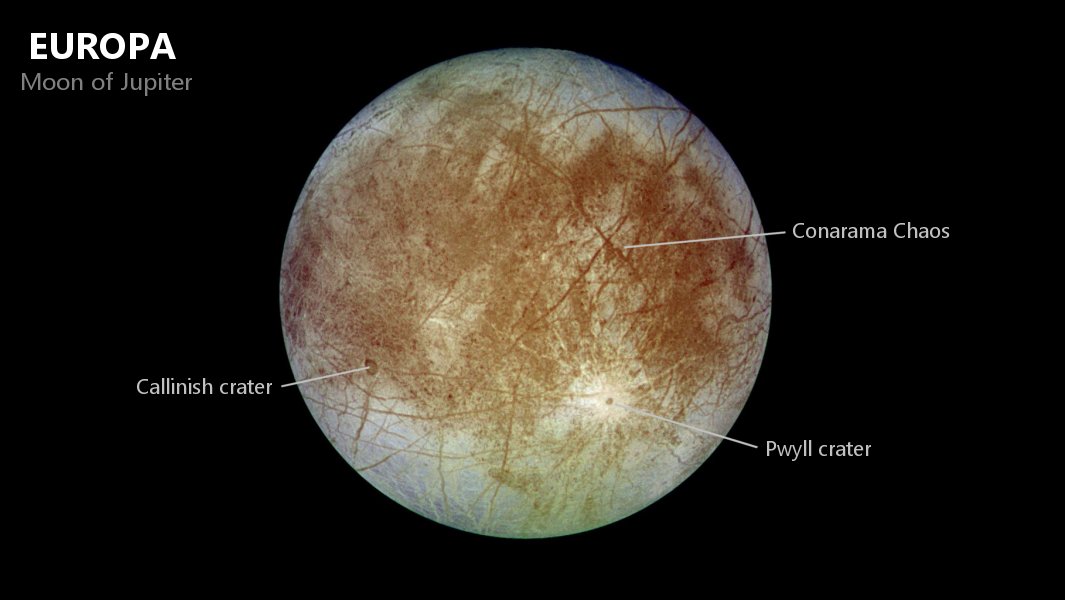
Europa
Elara
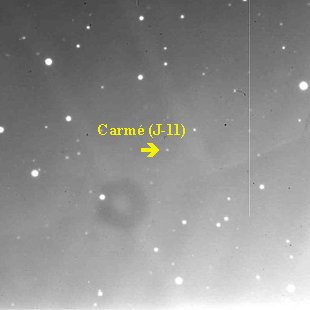
Carme
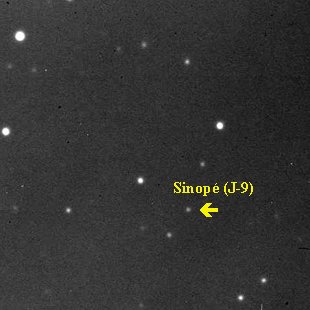
Sinope

♄ Saturn Moons = 82

Moons of Saturn are listed in order of size. The first four moons are viewable with good binoculars and the next four moons with a 4- to 8-inch telescope. Saturn also has hundreds to thousands of moonlets embedded in its ring system.
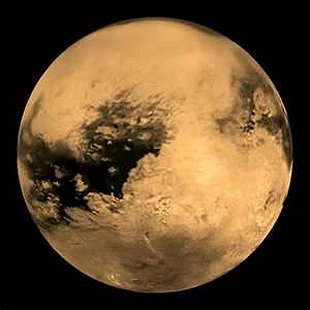
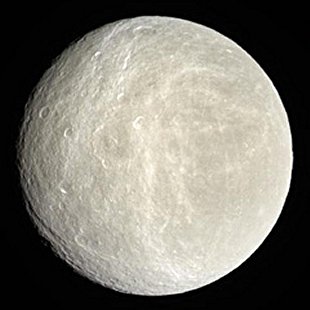
Titan
Rhea
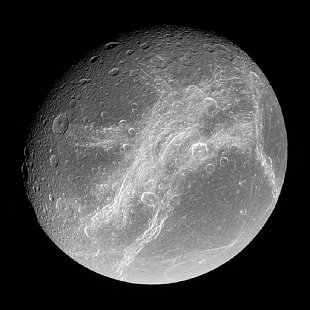
Dione
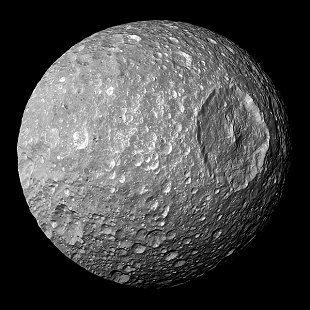
Mimas
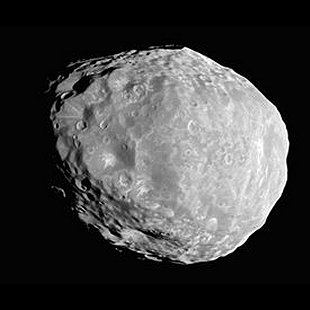
Janus
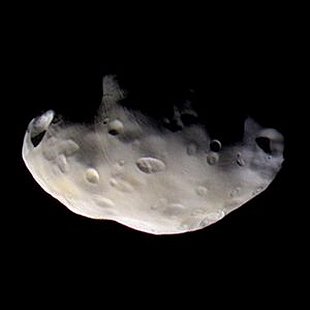
Pandora
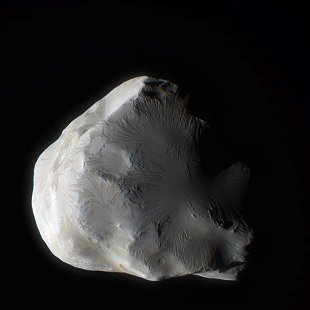
Helene
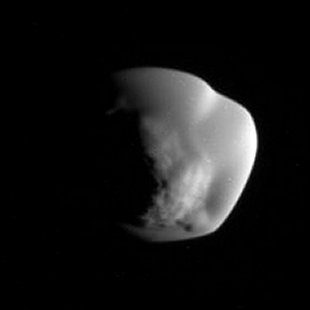
Atlas
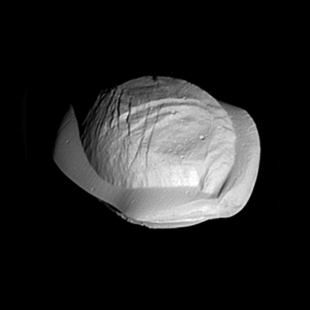
Pan
Telesto
Aegaeon

Uranus Moons = 27

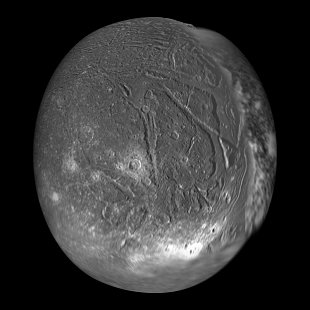
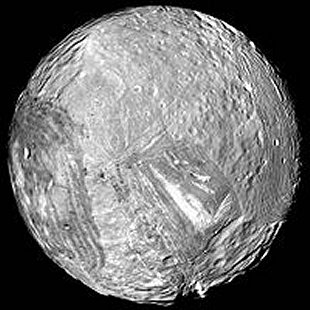
Moons of Uranus are listed in order of size. The first 4 moons can be viewed in medium-sized (8- to 10-inch) telescopes.
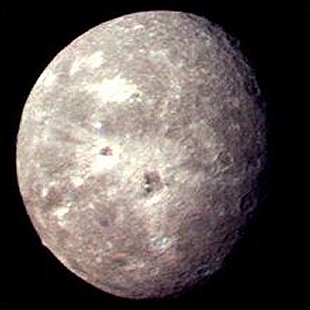
Oberon
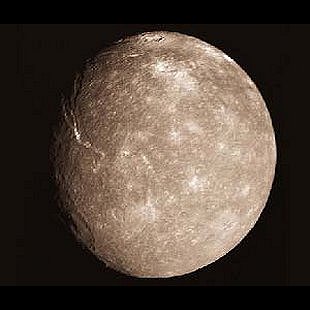
Titania
Umbriel
Ariel
Miranda
Sycoroax
Portia
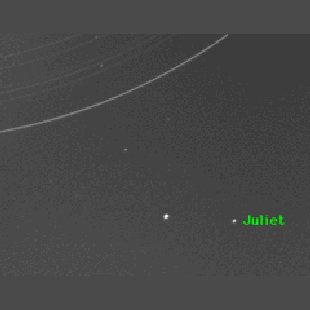
Juliet
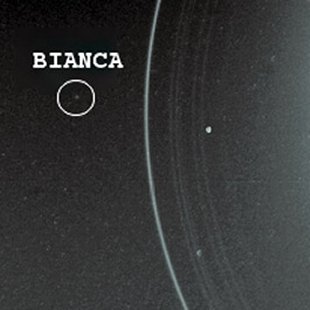
Bianca
Prospero
Stephano
Fransisco
Margeret

♆ Neptune Moons = 14

Moons of Neptune are listed in order of size. Triton is viewable using a medium-sized (8-inch) telescope. Triton is believed to be a dwarf planet from the Kuiper Belt captured by Neptune.
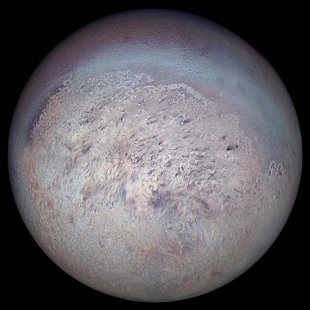
Triton
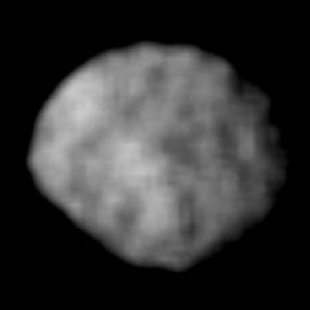
Larissa
Neso
Sao
Hippocamp

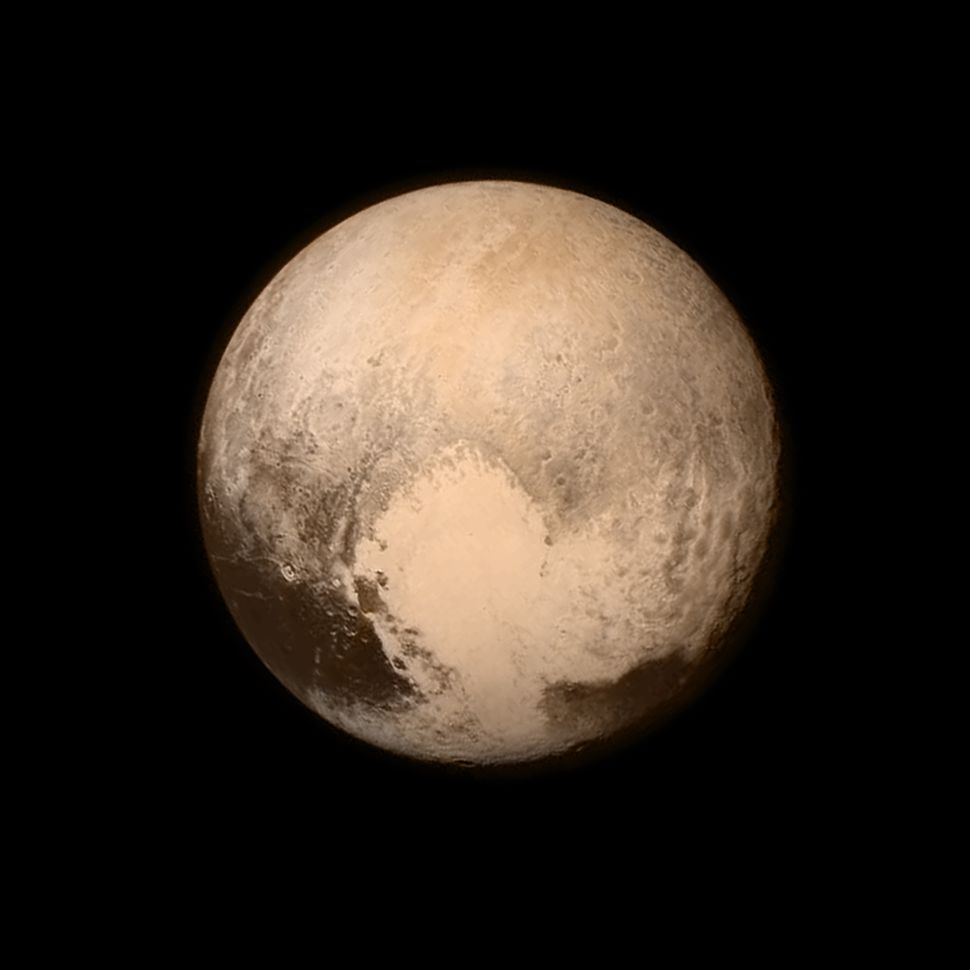
♇ Dwarf Pluto Moons = 5

Moons of Pluto are listed in order of size. Pluto and Charon are considered a binary dwarf planet system.
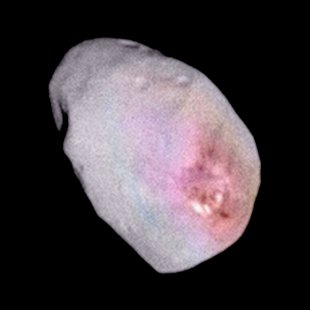
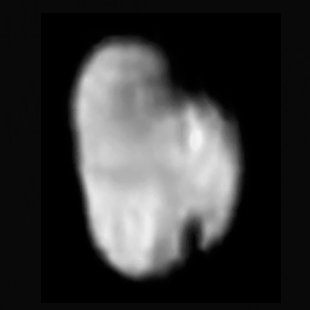
Nix
Hydra

More

https://www.go-astronomy.com/planets/planet-moons.htm

Space pics for Valentine’s Day

Pluto’s Heart

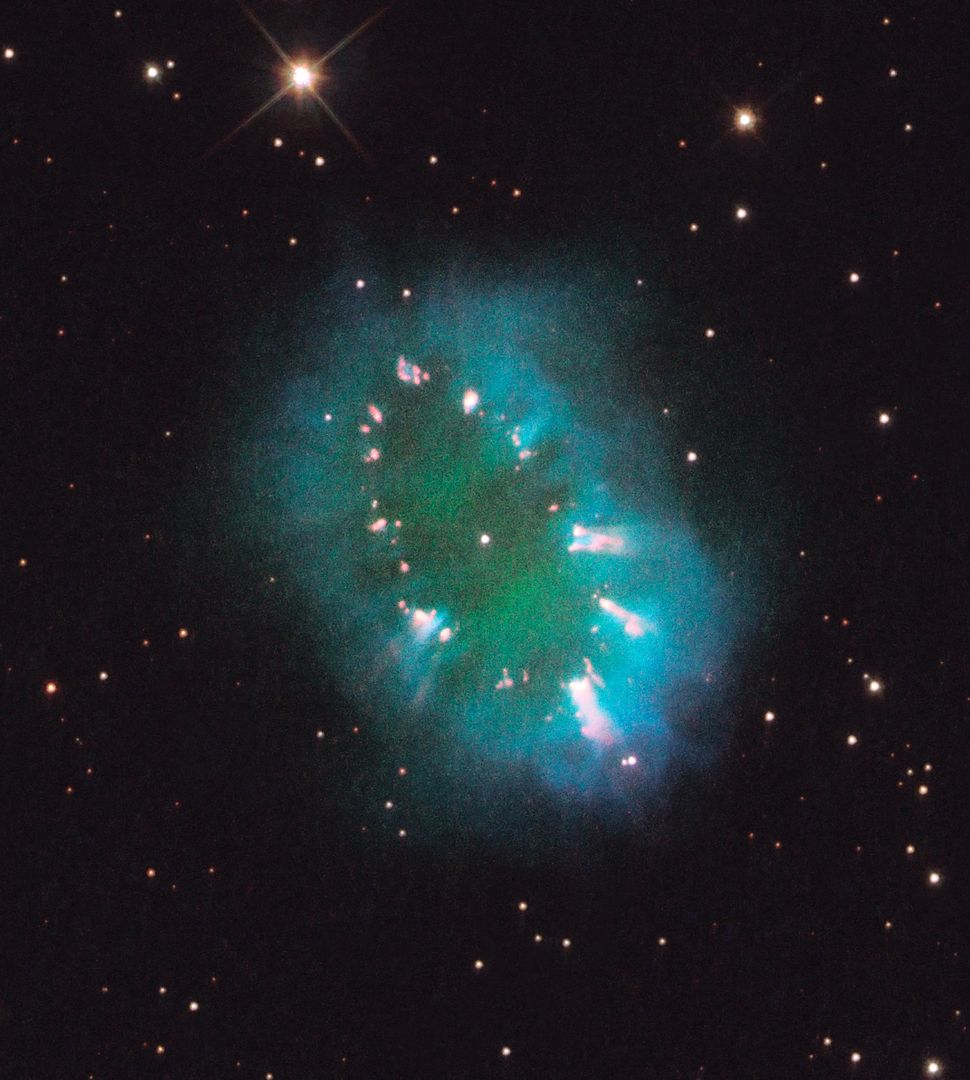
Necklace Nebula Seen by Hubble Space Telescope
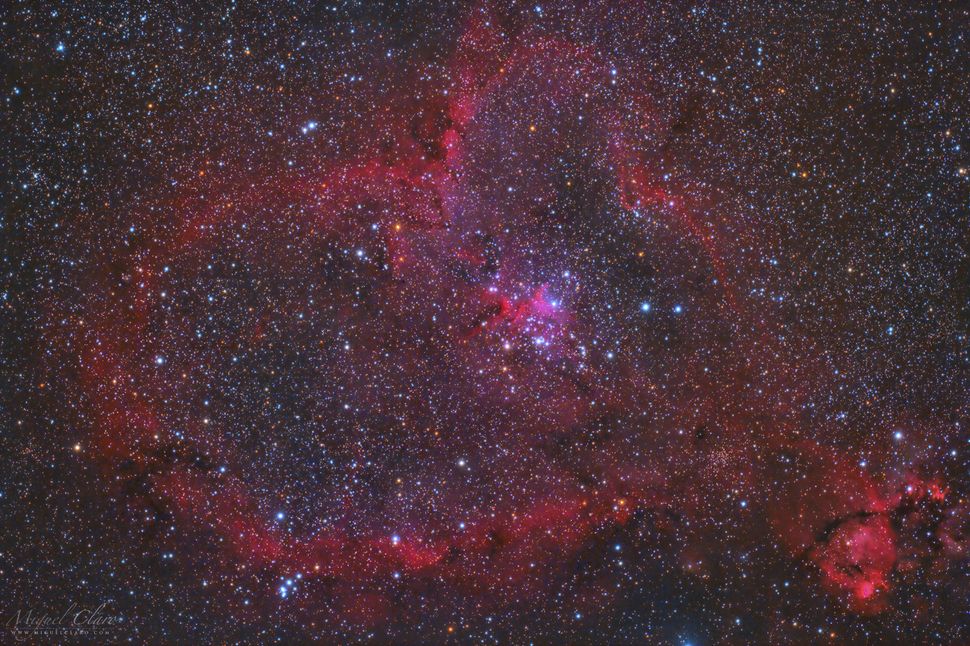
Friday, February 14, 2020: Happy Valentine’s Day from space! The Heart Nebula, also known as IC 1805, shimmers in deep space in this photo by astrophotographer Miguel Claro. Located 7,500 light-years from Earth in the Perseus Arm of the Milky Way galaxy, the Heart Nebula resides in the constellation Cassiopeia. At the cusp of the heart is a bright, fish-shaped knot called the Fishhead Nebula. For more romantic images from across the universe, check out our cosmic Valentine’s Day gallery. — Hanneke Weitering

More

https://www.space.com/19768-space-valentines-day-photos/2.html

Artemis Program-Facts about NASA’s Artemis program, which aims to send astronauts to the moon.

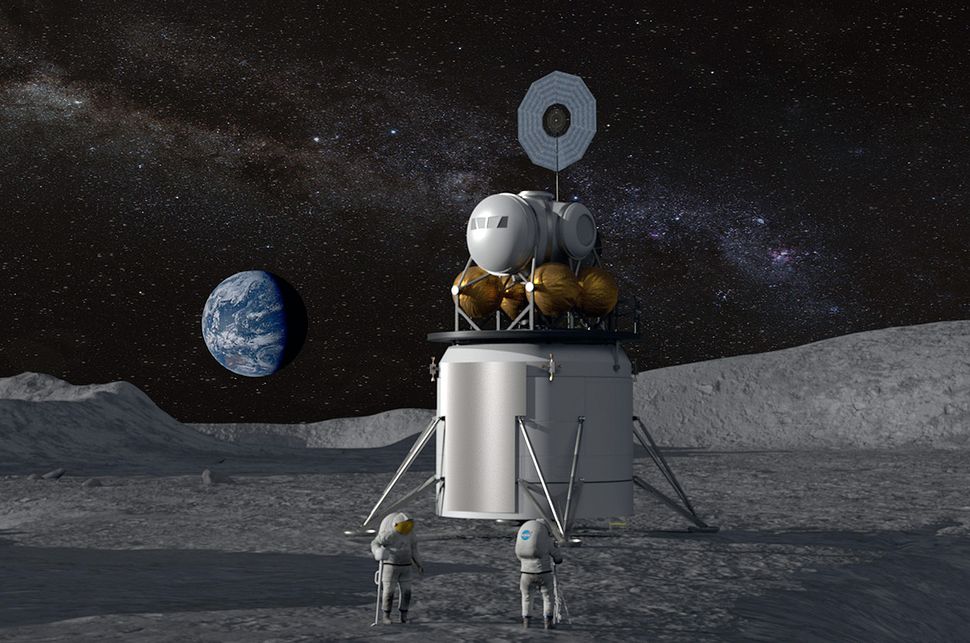
Artist’s concept of a future moon landing carried out under NASA’s newly named Artemis program. The space agency is working to return men and send the first women to the lunar surface by 2024, as has been directed by the White House.
(Image: © NASA)

NASA’s Artemis program is an effort to place astronauts on the lunar surface and develop an ongoing presence there. The program’s name is derived from Artemis, the Greek goddess of the moon and twin sister to Apollo, whose namesake program first brought crews to our natural satellite 50 years ago. 

The Artemis program is a renaming of several earlier activities NASA was already undertaking to return humans to the moon. These were mandated by President Trump’s Space Policy Directive 1, which tasked the agency with focusing on missions to the moon. Earlier this year, vice president Mike Pence set an ambitious deadline to land humans at the lunar south pole by 2024. 

How much will Artemis cost? 

How many of these impressive plans will actually see fruition is difficult to tell at this point. Cost estimates are still being refined and the overall price tag of Artemis remains unknown. The Apollo program’s budget ended up being a total of $23.6 billion in 1973 dollars, according to NASA, the equivalent of more than $136 billion today. That means each Apollo moon landing cost around $22.6 billion in 2019 dollars. President Trump has recently sought an addition $1.6 billion for the Artemis program, on top of the $21 billion already allocated to NASA, but has yet to get the money approved by Congress.

Hubble Space Telescope-Few Pics

The Hubble Space Telescope is a space telescope that was launched into low Earth orbit in 1990 and remains in operation. It was not the first space telescope but it is one of the largest and most versatile, well known both as a vital research tool and as a public relations boon for astronomy. The Hubble telescope is named after astronomer Edwin Hubble and is one of NASA’s Great Observatories, along with the Compton Gamma Ray Observatory, the Chandra X-ray Observatory, and the Spitzer Space Telescope.

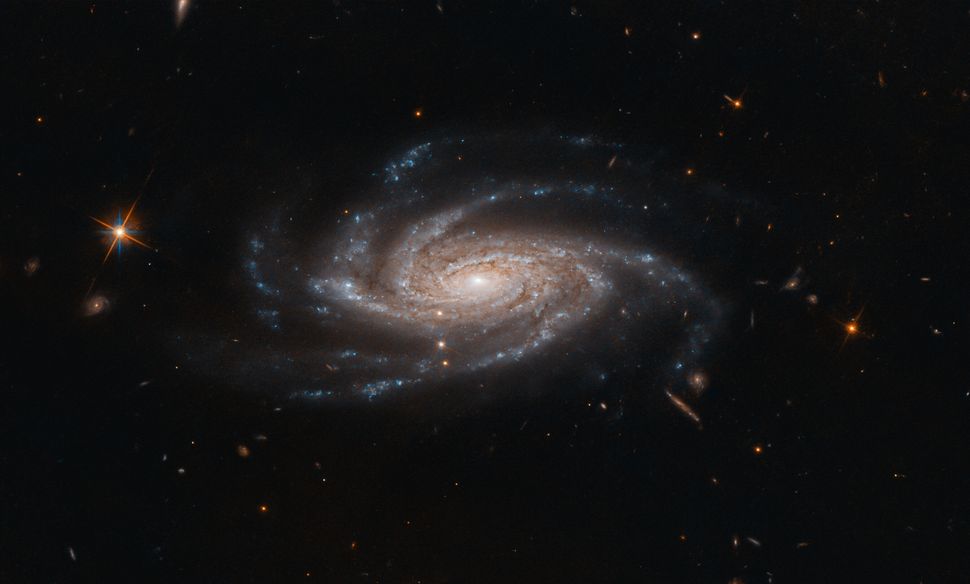
(Image credit: NASA/ESA/Hubble/A. Bellini)
Tuesday, February 18, 2020: The spiral galaxy NGC 2008 flaunts its shimmering galactic tentacles in this new image from the Hubble Space Telescope. Originally discovered in 1834 by the astronomer John Herschel, the galaxy resides about 425 million light-years away from Earth in the southern constellation of Pictor, the painter. NGC 2008 is classified as a type Sc galaxy, which means that it is a spiral with “a relatively small central bulge and more open spiral arms,” NASA said in a statement. “Spiral galaxies with larger central bulges tend to have more tightly wrapped arms, and are classified as Sa galaxies, while those in between are classified as type Sb.” — Hanneke Weitering
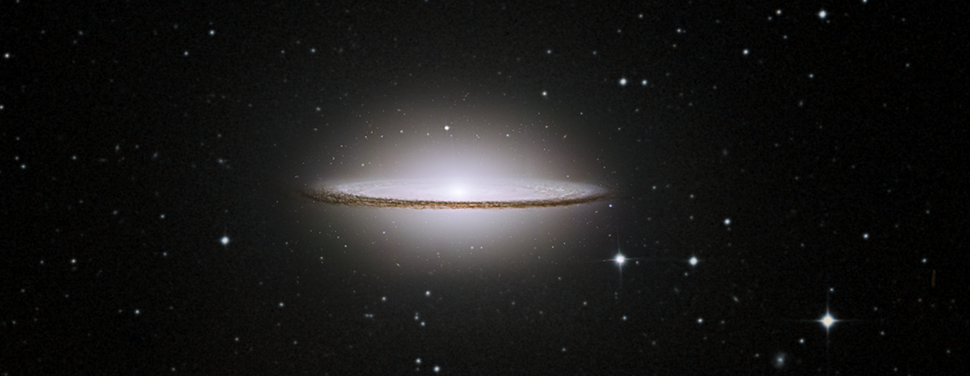
riday, February 21, 2020: The Sombrero Galaxy may have a smooth “brim,” suggesting that its past was free of any galactic collisions, but new data from the Hubble Space Telescope has shown that this seemingly unscathed galaxy is hiding a violent past. According to NASA, the galaxy’s faint outer halo provides some forensic clues that suggest the galaxy underwent multiple collisions with other galaxies billions of years ago. 
(Image credit: NASA/ESA/Hubble/STScI/Kevin M. Gill/Flickr)
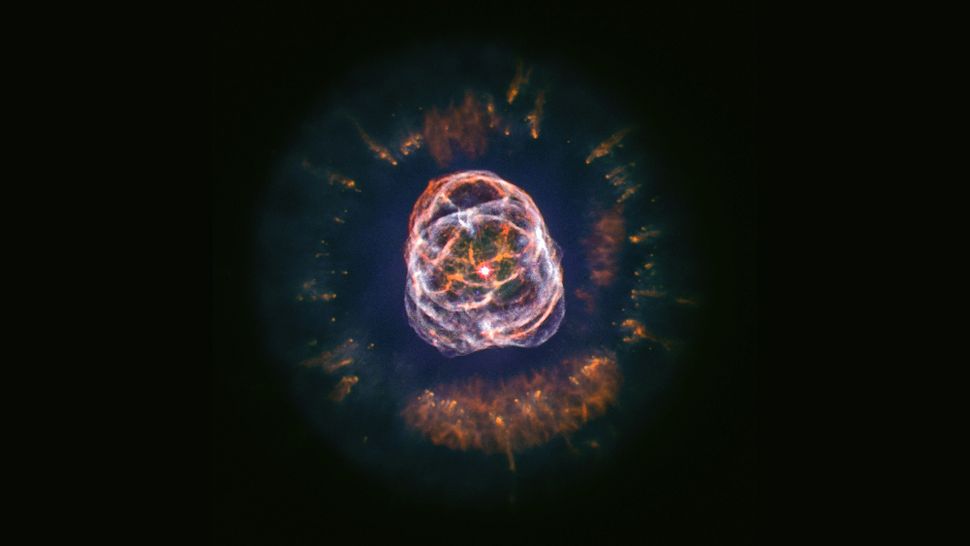
Wednesday, February 12, 2020: The planetary nebula NGC 2392, also known as the “Eskimo Nebula,” is the colorful remnant of a star that died about 4,200 light-years from Earth, leaving behind a brilliant orb of intricate layers and patterns. This star didn’t die in a supernova explosion, but rather burned up all of its fuel, causing it to cool, expand and shed its outer layers. This image combines data collected via NASA’s Chandra X-ray Observatory and the Hubble Space Telescope in 2013, and citizen scientist Kevin Gill recently reprocessed the image to bring out the nebula’s detailed structure. — Hanneke Weitering 
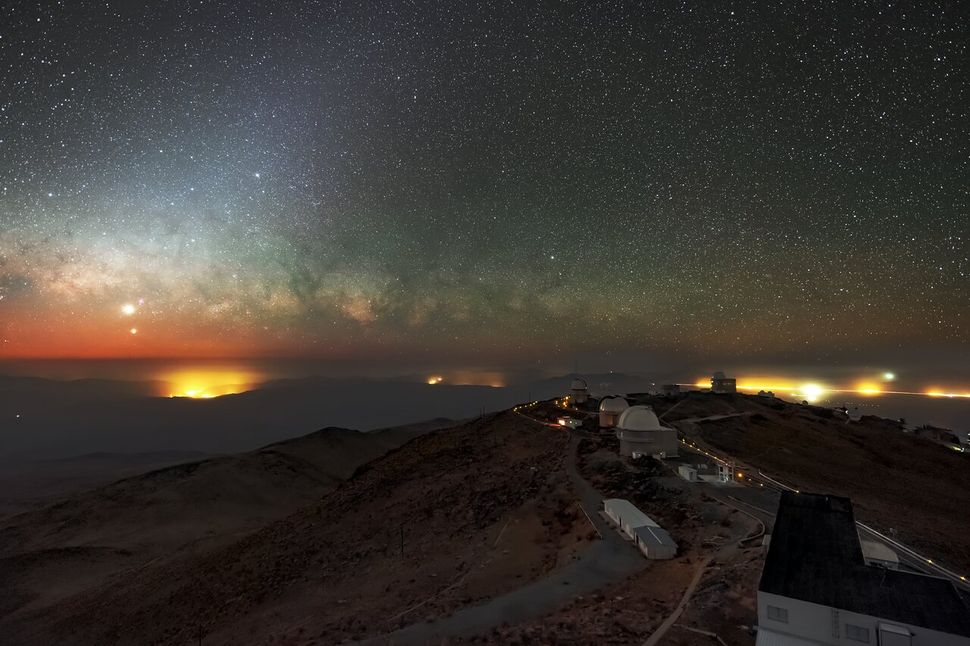
Venus and Jupiter meet in the Milky Way

Lucky Bamboo Plant: Here’s why keeping this plant at home brings health and prosperity

The lucky bamboo plant is a common household plant and a popular plant in Feng Shui.

a vase of flowers sitting on a table
It is considered to bring luck and prosperity in our life. The lucky bamboo plant is a type of tropical water lily named Dracaena Sanderiana.
This plant is quite easy to take care of and grows mostly in indirect sunlight. It’s an indoor plant that brings positive energy in home and office if placed in the right corner of the room.

The lucky bamboo plant, when tied with a red ribbon, represents the element of fire. It is also known to create a balance in life. This plant represents the elements of earth, water, metal, fire and wood. Keep it in the east direction for attracting good health; in south-east direction for wealth. The plant can survive for almost ten years if taken care of properly.

History of the lucky bamboo plant

The history of the lucky bamboo plant is dated back to almost 4000 years ago in Chinese culture. In Asian culture, the plant is used as the symbol of good fortune which can be a perfect gift during New Year celebration and any religious festival.     

URL Inspection Tool

About the URL Inspection tool

The URL Inspection tool provides information about Google’s indexed version of a specific page. Information includes AMP errors, structured data errors, and indexing issues.

Common tasks:

  • See the current index status of a URL: Retrieve information about Google’s indexed version of your page. See why Google could or couldn’t index your page.
  • Inspect a live URL: Test whether a page on your site is able to be indexed.
  • Request indexing for a URL: You can request that an URL be crawled (or recrawled) by Google.
  • View a rendered version of the page: See a screenshot of how Googlebot sees the page.
  • View loaded resources list, JavaScript output, and other information: See a list of resources, page code, and more information by clicking the more information link on the page verdict card.

‘Hanging Cable’ Challenge

Amazon Supposedly Asked Job Applicants to Solve This!

Turns out, it’s a problem that can be traced back to at least one place, if not Amazon—a 2010 paper in the Atlantic Electronic Journal of Mathematics. If digging through an obscure academic journal isn’t exactly your idea of a fun Friday night, fear not: the YouTubers behind the channel MindYourDecisions do a great job of breaking down how to solve the problem and reach the correct answer. Now you can get back to worrying about other things, like where you see yourself in five years.

Watch the video here: